



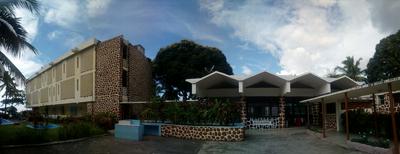


When to visit Comoros during the year?
The Comoros, an archipelago located in the Indian Ocean, has a tropical climate influenced by monsoon seasons. The best time to visit ranges from May to October, when the weather is dry and temperatures average between 25°C and 30°C. This period is ideal for beachgoers and outdoor enthusiasts. In contrast, the rainy season from November to April can bring heavy downpours, particularly in the northern islands. Summer attracts visitors to the stunning beaches of Moheli and the volcanic landscapes of Anjouan, while winter is perfect for diving and exploring the lush vegetation. Research shows that around 40% of travelers prefer visiting during the dry season, particularly for diving and hiking activities.
How to get to Comoros?
Reaching the Comoros can be quite an adventure, given the islands' remote location. Flights from major hubs are the quickest option, and there are also ferry services connecting some of the islands, though these can be slower. Most travelers arrive by air, and it is essential to plan ahead for the best routes and connections.
- Main airports: Moroni's Prince Saïd Ibrahim International Airport (HAH) is the primary gateway.
- International routes: Flights are available from major global cities such as Paris (CDG), Nairobi (NBO), Johannesburg (JNB), and Dar es Salaam (DAR).
- Low-cost airlines: While options are limited, some regional players operate competitive rates.
- Flight times: Expect around 9 hours from Paris, 6 hours from Nairobi, and 1 hour from nearby Madagascar.
- Main stations: Major bus terminals can be found in Moroni.
- Cities connected: There are inter-island connections via local buses, but services may vary.
- International traffic: There is no train service connecting to Comoros.
- Duration and routes: Local transport can include taxis and shared vans.
- Main roads: Roads are generally in poor condition due to maintenance challenges.
- Distances: There are limited car hire options, and the islands are best navigated by taxi or foot.
- Tolls and road conditions: Expect winding roads and occasional potholes; caution is needed when driving.
Tourist activities in Comoros
Comoros offers a diverse range of activities that cater to different interests. Here, you can enjoy stunning beaches, engage in water sports, and immerse yourself in the vibrant local culture. One of the standout attractions is the marine parks surrounding the islands, perfect for snorkeling and diving. The waters around Moheli are teeming with colorful coral reefs and unique marine life. On Mayotte, you can trek through the forests of Mount Bénara, while Anjouan boasts picturesque landscapes and rich history. Each island has its own flavor of adventure, whether it’s hiking, exploring lush caves, or sampling local cuisine at bustling markets.
For history enthusiasts, the capital city of Moroni invites exploration with its ancient mosques and forts, showcasing the rich heritage of the islands. Don't forget about the traditional music and dance performances that celebrate Comorian culture. Relaxing at the beach or enjoying water activities in iconic spots like the beaches of Ndzuwani adds a refreshing touch. Ultimately, Comoros promises unforgettable experiences for various types of travelers.
Accommodation in Comoros
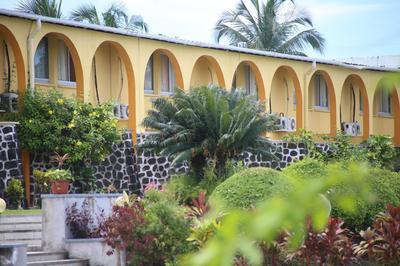
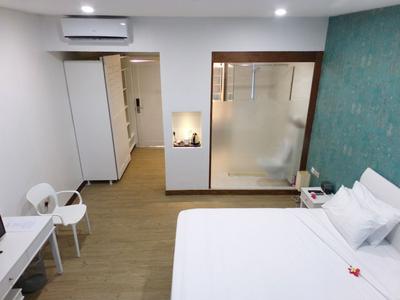
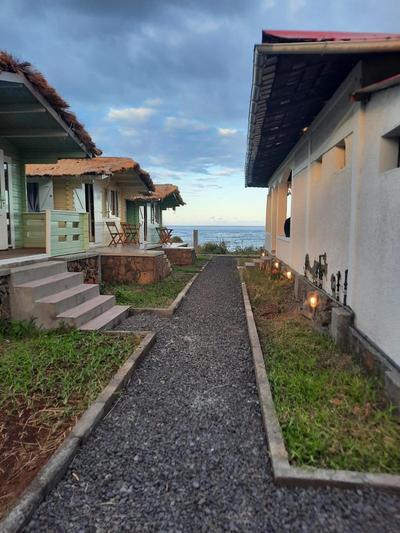
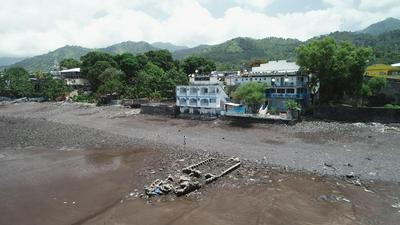
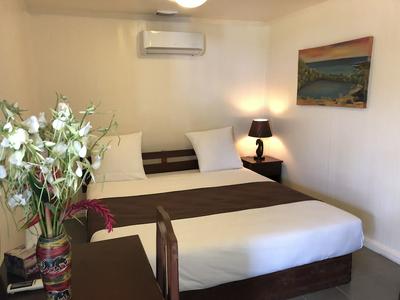
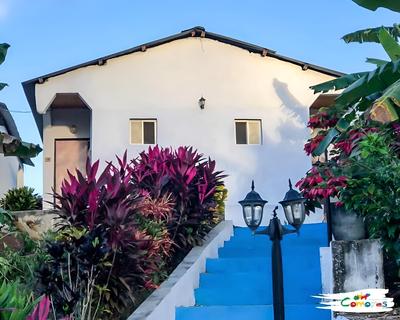
Accommodation options in Comoros range from budget guesthouses to mid-range hotels, providing something for every traveler. In urban areas, such as Moroni, you can find affordable hotels priced around $30 per night, offering basic amenities. For a bit more luxury, expect to pay upwards of $80 per night for more comfortable accommodations. The islands also feature charming villas and lodges that encourage visitors to experience authentic local living. Tourism is expanding, but options can be limited on the outer islands.
Seasonal variations can also affect availability; the peak travel season from May to October typically sees higher rates and more reserved places. Travelers should book in advance, especially during holiday periods. Staying in traditional hotels allows you to enjoy local flavor, while boutique lodges on Moheli offer unique experiences, including direct beach access and guided tours of local attractions.
Food in Comoros
The culinary landscape of Comoros is a delicious fusion of flavors influenced by African, Arab, and French cuisines. Its national dishes include fragrant seafood curries, zesty coconut rice, and grilled meats, often accompanied by fresh vegetables. Street food is an essential part of dining culture, with friendly locals serving dishes like 'mbawa' (baked bread) and local fruit shakes for around $2-$5.
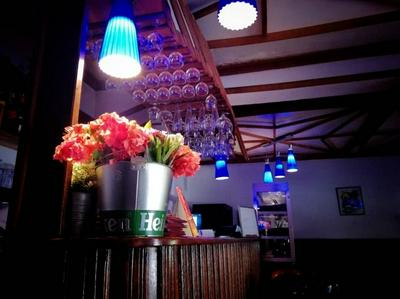
Be sure to try the famous Comorian vanilla and the locally brewed coffee, which are highlights of the gastronomic experience. Popular restaurants in Moroni feature beautiful seaside views and serve a mix of traditional and continental dishes, with average meal prices ranging from $10 to $20. Dining at local markets not only tantalizes the taste buds but also enhances the cultural experience with lively atmospheres.
Important numbers and information
- Emergency services: Police: 117; Ambulance: 118; Fire Brigade: 119.
- Embassy contacts: Contact your country's embassy in neighboring nations, as there’s no direct embassy in Comoros.
- Airports: Prince Saïd Ibrahim International Airport (HAH), Moroni.
- Currency: Comorian franc (KMF); major credit cards are widely accepted in hotels.
- Visa/passport regime: Most nationalities require a visa which can be obtained upon arrival for a stay of up to 45 days.
What to see in Comoros?
Comoros is laden with natural beauty and historical significance, making it a destination full of breathtaking sights. The capital, Moroni, is known for the renowned Old Friday Mosque, built in the 19th century, and the iconic Mount Koni, which provides exhilarating hiking trails. Explore the stunning beaches of Moheli, where crystal clear waters and vibrant marine ecosystems offer a perfect getaway for snorkeling and relaxation. Anjouan captivates visitors with its picturesque landscapes; the village of Moutsamoudou is particularly charming with its winding streets and local markets.
Don’t miss out on the striking Lac Dziani, a volcanic lake surrounded by lush vegetation, ideal for nature lovers. There’s also the volcanic Mount Choungui, which presents a challenging climb for avid hikers seeking panoramic views. The islands' diverse ecosystems and rich cultural heritage promise exciting adventures and profound memories.
History, geography and climate
Comoros has a rich tapestry of history, having been inhabited for centuries and influenced by Arabic, African, and European cultures. The islands were strategically positioned along trade routes, which shaped their cultural evolution, with significant historical events occurring as a result of colonial influences. After gaining independence from France in 1975, Comoros experienced political turmoil but has gradually moved towards stability.
Geographically, Comoros consists of four major islands: Grande Comore, Moheli, Anjouan, and Mayotte, characterized by lush landscapes, rocky coastlines, and beautiful beaches. The islands' varied terrain includes volcanic mountains and dense forests. The tropical climate ensures warm temperatures year-round, with averages of 25–30°C, while cooler highland areas offer a refreshing escape.
Population and culture
The population of Comoros is approximately 800,000, and the islands are a mosaic of cultures and traditions, predominantly influenced by Arabic and African heritage. The official languages are Comorian, Arabic, and French, with each island having its own linguistic variations. Islam is the predominant religion, shaping many aspects of life including festivals and daily practices.
Comorian culture is rich in traditions, from vibrant music and dance to elaborate ceremonies. Major events like Tabaski and Eid al-Fitr are celebrated with communal feasts and festivities. The islands possess unique artistic expressions, reflected in crafts such as weaving and pottery. With a close-knit community lifestyle, the spirit of hospitality shines through, inviting visitors to engage with local customs and traditions.