





When to visit Malawi during the year?
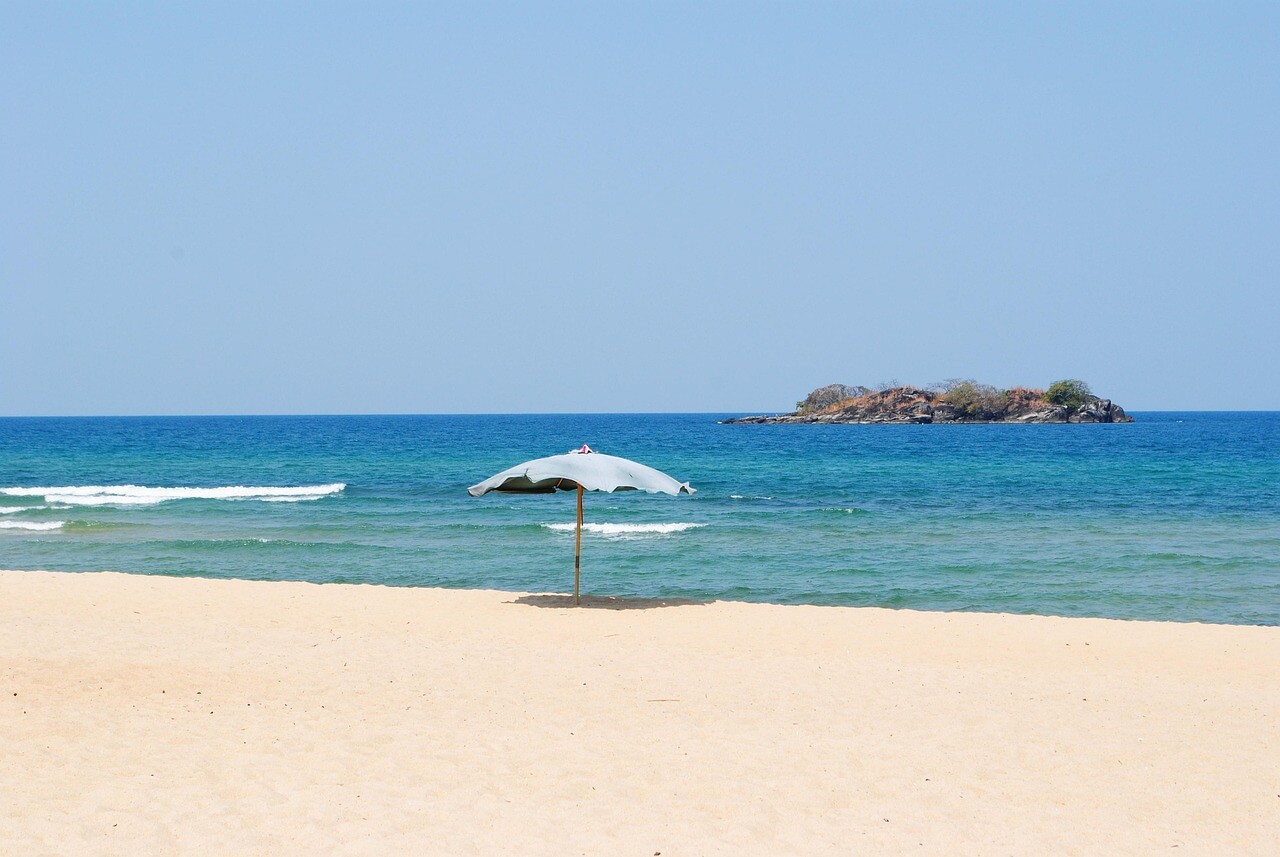
Malawi is blessed with a tropical climate, characterized by a warm season from October to March and a cooler, dry season from April to September. The peak tourist season typically aligns with the dry months, especially from June to August, when visitors flock to the stunning Lake Malawi, a UNESCO World Heritage Site famous for its crystal-clear waters and vibrant marine life. In contrast, the summer months (December to February) attract those interested in the lush landscapes and vibrant wildlife activity in national parks like Liwonde and Nyika. During the wet season, accommodation prices tend to drop, making it an affordable time to explore the country's diverse offerings, though some attractions may be less accessible.
How to get to Malawi?
Getting to Malawi may seem challenging, but several options make it accessible from various parts of the world. The main entry point is Lilongwe International Airport (LLW), located in the capital city. International connections exist, and the country also welcomes travelers by bus from neighboring countries. While it lacks a major train system, driving in offers a chance to explore at one’s own pace. Here’s a breakdown of transportation modes:
- Main airports include Lilongwe International Airport and Chileka International Airport in Blantyre.
- Routes connect Malawi with major cities worldwide: Amsterdam (Europe), Johannesburg (Africa), Nairobi (Africa), New York (North America), and Sydney (Australia).
- Flight times vary, with a flight from Johannesburg taking around 2 hours.
- Main stations are found in Lilongwe, Blantyre, and Mzuzu.
- Buses connect major cities like Lusaka (Zambia), Dar es Salaam (Tanzania), and Maputo (Mozambique).
- Malawi has limited international train service; however, travelers can access services to Niassa Province, Mozambique.
- Trains operate within Malawi, connecting cities like Blantyre and Lilongwe.
- Main highways include the M1, connecting from the south to the north.
- Distances from major cities: Lilongwe to Blantyre is approximately 330 km (about 5 hours).
- Road conditions vary; it’s recommended to check weather and road updates before travel.
Tourist activities in Malawi
Malawi offers a unique blend of outdoor adventures, cultural experiences, and immersive wildlife encounters. The major regions provide distinct activities for every type of traveler. In Lake Malawi National Park, kayaking, snorkeling, and diving reveal an underwater paradise filled with colorful fish. For hiking enthusiasts, Nyika National Park and Mulanje Mountain offer breathtaking trails and panoramic views, ideal for trekking and birdwatching. Visitors can also engage with locals in rural villages to discover traditional crafts and farming practices. Don’t miss the vibrant markets in cities like Lilongwe and Blantyre, where one can taste local dishes and purchase handmade crafts. During dry months, wildlife safaris in Liwonde National Park provide a chance to spot elephants, hippos, and various bird species. For history buffs, exploring colonial architecture in Zomba or witnessing the spiritual essence of the Chikwawa District adds depth to your journey.
Accommodation in Malawi
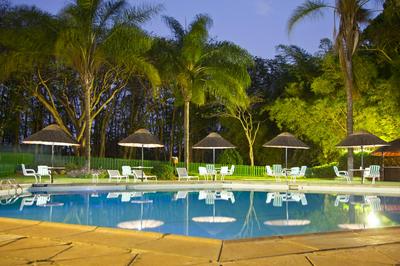
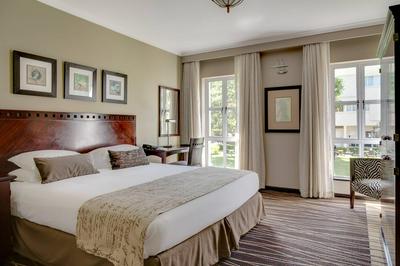
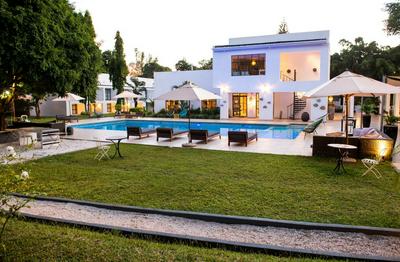
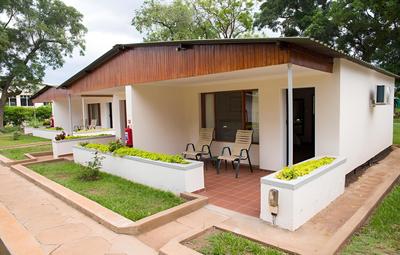
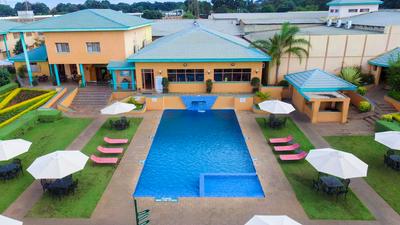
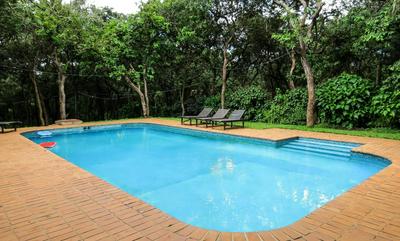
Accommodation in Malawi ranges from budget hostels to luxurious lodges, catering to all types of travelers. In major cities like Lilongwe and Blantyre, you can find mid-range hotels offering comfort at around $50 to $100 per night. For a more exotic experience, consider lakeside lodges near Lake Malawi, where prices can soar to $200 or more during peak season. Backpackers will find budget accommodation options starting at $15 per night, particularly in tourist hotspots. The seasonal variation significantly impacts pricing; during peak tourist months from June to August, spots near Lake Malawi often require early booking to secure the best rates. Overall, accommodation options typically provide a welcoming atmosphere, allowing visitors to immerse themselves in the Malawian culture.
Food in Malawi
Malawi's cuisine is a reflection of its rich agricultural landscape, offering a variety of staple foods. The national dish, Nsima, made from maize flour, is a must-try, often served with relish such as vegetables, beans, or grilled fish. Other popular dishes include Chambo (a type of fish) from Lake Malawi, and dishes infused with local spices. Fresh fruit, including bananas and mangos, is abundant and delicious. To wash it down, try local beverages like Chibuku, a traditional beer, or fresh fruit juices from local markets. Meals in restaurants typically range from $3 for street food to $15 for a decent meal at a local restaurant, making dining in Malawi both affordable and delightful.
Important numbers and information
- Emergency Services: Police - 991, Ambulance - 997, Fire Brigade - 998
- Embassy contacts: USA Embassy in Lilongwe - +265 21 5 8001
- Main Airports: Lilongwe International Airport, Address: Lilongwe, Malawi; Chileka International Airport, Address: Blantyre, Malawi
- Currency: Malawian Kwacha (MWK); Payment methods include cash and major credit cards
- Visa/Passport regime: Tourists generally require a visa; check specific country regulations
What to see in Malawi?
Malawi is brimming with captivating sights and experiences. Start your journey at Lake Malawi, renowned for its serene beaches and colorful marine life—perfect for watersports or relaxation. Liwanje, a local cultural village, offers an authentic glimpse into Malawian traditions. Don't skip Mount Mulanje, where you can hike up the spectacular landscape. The town of Zomba, once the colonial capital, features beautiful botanical gardens and historical sites perfect for strolls. Additionally, Nyika National Park showcases stunning sceneries from rolling hills to wildlife encounters. Each destination provides a unique aspect of Malawi’s character, ensuring travelers experience the country's diverse heritage and breathtaking natural beauty.
History, geography and climate
Malawi's history is rich and marked by various influences from ancient kingdoms to European colonization. The country became independent from British rule in 1964. Geographically, Malawi is famous for Lake Malawi, one of Africa's largest lakes, which dominates its eastern border. The terrain varies from flat plains to mountainous regions like the Nyika Plateau. The climate is tropical, with temperatures averaging around 20°C to 30°C, depending on the seasons. The rainy season runs from December to March, refreshing the land and supporting local agriculture. This diversity in climate and geography enriches Malawi’s cultural and historical narratives, making it a destination rich in stories and experiences.
Population and culture
Malawi's population is around 19 million, with the majority being Chewa, Tumbuka, and Yao ethnic groups. The official language is English, alongside the widely spoken Chichewa. Predominantly Christian, Malawians celebrate various holidays, including Independence Day and cultural festivals unique to local customs. The vibrant arts scene, from music and dance to traditional crafts, highlights their rich cultural heritage. Visitors to Malawi often experience warm hospitality and traditions such as the famous Gule Wamkulu dance, which tells stories through performance. Overall, Malawi’s culture is a beautiful blend of historical influences and everyday life, inviting travelers to engage and learn.