






When to visit Samoa during the year?
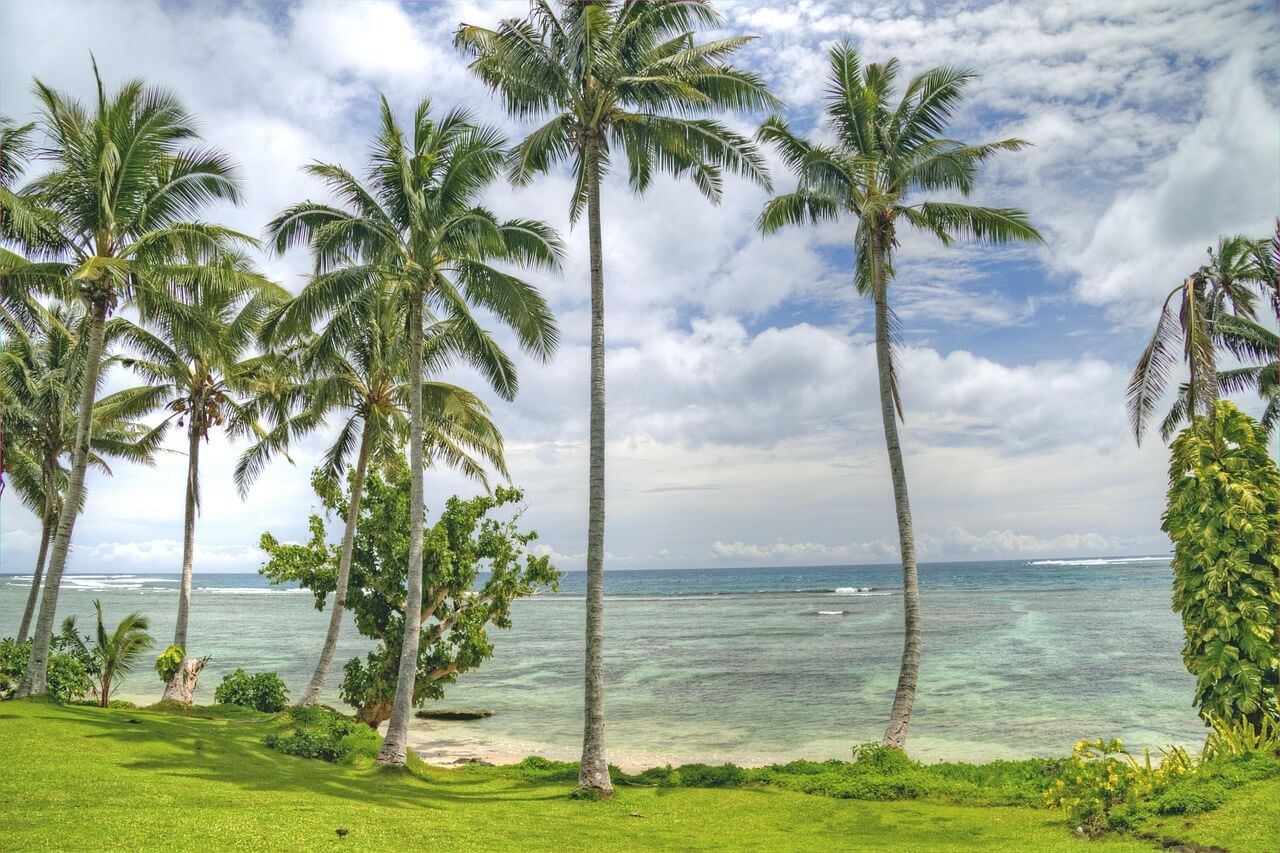
Samoa enjoys a tropical climate, characterized by warm temperatures and occasional rainfall throughout the year. The best time to visit is during the dry season from May to October when temperatures are pleasantly warm, ranging from 24°C to 30°C (75°F to 86°F). Summer (December to March) is also popular, particularly for beachgoers and surfers, though it can be humid and is the rainy season, with sporadic tropical storms. Key attractions during summer include beach activities at Apia and the famous lagoons at Upolu. In winter, visitors often explore cultural sites and lush landscapes, including the volcanic mountains of Savaii and the pristine beaches of Manono Island.
How to get to Samoa?
Traveling to Samoa is quite straightforward, with several options available depending on where you're coming from. The main hub for international flights is Faleolo International Airport on the island of Upolu. Flights from various continents frequently connect here, and it's an ideal starting point for exploring the islands.
- Main airports: Faleolo International Airport (APW)
- Major international routes include:
- From Australia: Direct flights from Sydney (SYD)
- From New Zealand: Direct flights from Auckland (AKL)
- From North America: Common connections via Los Angeles (LAX)
- From Asia: Flights connecting through Auckland or Sydney
- Low-cost airlines: Occasionally, Air New Zealand offers budget options
- Flight times: From Sydney to Apia, approximately 6 hours; from Auckland, about 5 hours
- Main stations: Apia serves as the central hub for local bus services
- Routes connect: Savaii Island via ferry and several towns including Lalomanu and Salamumu
- No international train service exists due to Samoa's island geography.
- Main roads: The coastal ring road connects most towns on Upolu, with good signage
- Distances: Apia to Lalomanu is about 40 km, roughly a 1-hour drive
- Tolls: There are no toll roads, but local driving rules need to be followed due to the use of left-hand traffic.
Tourist activities in Samoa
Samoa offers a rich tapestry of activities that cater to a range of interests, from nature lovers to cultural enthusiasts. The pristine beaches of Upolu are perfect for swimming, snorkeling, and surfing. Visit the famous To Sua Ocean Trench for a unique swimming experience in a lava tube. For those interested in culture, exploring traditional villages like Saleaula and their unique lava fields provides insight into the Samoan way of life. Hiking opportunities abound as well, especially in the lush rainforests of Savaii, where you can discover hidden waterfalls and volcanic craters. Don't miss the chance to attend a traditional 'fa alavelaves' ceremony, where you can experience local music, dance, and cuisine. For adventure seekers, diving in the coral reefs of Aleipata is an unforgettable experience, showcasing the vibrant marine life that surrounds the islands.
Accommodation in Samoa
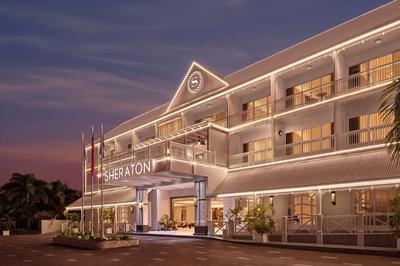
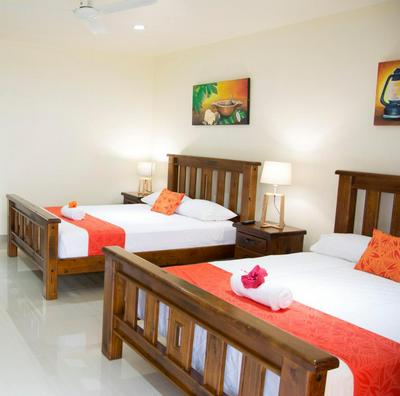
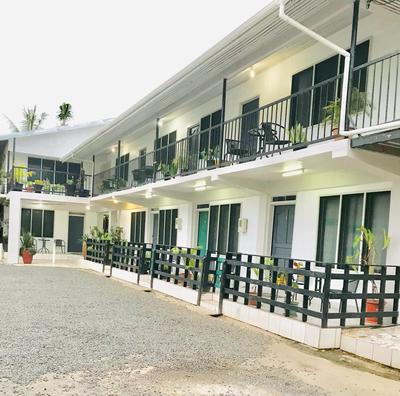
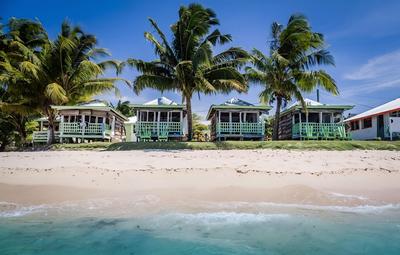
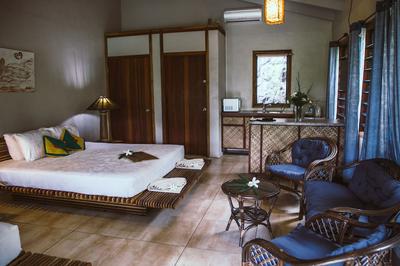
Accommodation in Samoa ranges from luxury resorts to budget guesthouses, catering to all types of travelers. Upolu offers a variety of choices, with beach resorts like the Sheraton Samoa and Tanoa Tusitala providing stunning views and amenities, typically costing around $150 to $300 per night during peak season. For a more local experience, guesthouses or beach fale on Savaii can be found, often priced between $60 and $120. These typically feature traditional open-air structures that bring you closer to nature. During the off-peak season, April to June, prices can drop significantly, making it easier for budget travelers to explore. It's also wise to book in advance during the summer months as demand can be high.
Food in Samoa
The cuisine of Samoa is a delightful blend of tropical flavors, with an emphasis on fresh seafood and local produce. Key dishes include ‘palusami,’ a delicacy made from taro leaves baked with coconut cream, and ‘oka’ - raw fish marinated in lime juice and coconut milk. Street food is also popular, with options like ‘fai’ai eleni’ (smoked fish) commonly available at local markets. For those looking to wash down their meals, ‘toa’ (local beer) and ‘koko’ (Samoan hot chocolate) are must-try drinks. Expect to pay around $10 to $20 for a meal at a local restaurant, while dining at more upscale establishments can range from $30 to $50.
Important numbers and information
- Emergency Services:
- Police: 999
- Ambulance: 11
- Fire Brigade: 998
- Embassy Contacts:
- Australian Embassy: +685 21 999
- New Zealand High Commission: +685 21 500
- Airports:
- Faleolo International Airport, Faleolo, Samoa
- Currency: Samoan Tala (WST) - Cash is widely used, and ATMs are available in urban areas.
- Visa: Tourists from most countries can stay for up to 60 days without a visa. Passport must be valid for at least six months from the date of entry.
What to see in Samoa?
Samoa is home to a variety of must-see attractions that showcase its natural beauty and rich culture. Start in Apia, the vibrant capital, where you can visit the famous National Botanic Gardens and the colorful markets. The cultural village of Samoa is just a short drive away, where you can experience local handicrafts. On Upolu, don’t miss the stunning Piula Cave Pool and the beaches of Lalomanu, known for their crystal-clear waters. Over on Savaii, explore the Saleaula Lava Fields and the vibrant Alofaaga Blowholes - a perfect spot for stunning ocean views. The breathtaking Olo’upena Falls and the picturesque beaches of Manono Island are also worth the journey. Each destination offers a unique glimpse into the stunning landscape and cultural heritage of Samoa, making it a paradise for both adventurers and culture seekers.
History, geography and climate
Samoa has a deep history that dates back over 3,000 years with significant Polynesian influences shaping its culture. The islands were first settled by navigators from Southeast Asia and later became a crucial stop for explorers in the 18th century. The geography of Samoa features lush volcanic landscapes, coral reefs, and rugged coastlines, with Savaii being the largest island, while Upolu hosts the capital Apia. The climate is tropical maritime, with an average annual temperature ranging from 24°C to 30°C. Rainfall is frequent, particularly during the wet season from November to March, impacting local agriculture and agriculture.
Population and culture
Samoa is home to a population of approximately 200,000 people, predominantly of Polynesian descent. The official languages are Samoan and English, reflecting the country’s cultural heritage. The predominant religion is Christianity, especially the Congregational Church, which plays a significant role in community life. Samoa's cultural traditions remain strong, with vibrant celebrations like the annual Teuila Festival showcasing dance, music, and traditional crafts. Family ties hold paramount importance, reflecting the collectivist nature of Samoan society. Unique cultural features include the traditional ‘ava ceremony and the practice of ‘fa’a Samoa,’ which emphasizes hospitality and community spirit.