







When to visit Uganda during the year?
Uganda enjoys a tropical climate with two main rainy seasons: from March to May and October to November. The dry seasons, from December to February and June to September, are the best times for tourists. Many travelers flock to Uganda during these months, especially for gorilla trekking in Bwindi Impenetrable National Park and wildlife safaris in Queen Elizabeth National Park. The summer peak (June to August) sees a surge in visitors, particularly from Europe and North America, as it coincides with their vacation periods. Average temperatures range from 20°C to 27°C (68°F to 81°F), with higher altitudes being cooler. During the rainy season, the landscape transforms into a lush paradise, offering unique birdwatching opportunities.
How to get to Uganda?
Reaching Uganda is relatively straightforward, thanks to its well-connected transportation network. Entebbe International Airport (EBB) is the primary gateway for international flights. Several regional and international airlines operate here, offering connections from various corners of the globe. Overland options include bus services that connect Uganda with neighboring countries. While train travel is limited, the roads are generally well-maintained for car travelers.
- Main airports include Entebbe International Airport (EBB) for international flights from regions such as:
- North America: New York (JFK) with Delta Airlines and United Airlines
- Europe: London (HEATHROW) with British Airways and Uganda Airlines
- Asia: Addis Ababa (ADD) with Ethiopian Airlines
- Africa: Nairobi (NBO) with Kenya Airways
- Low-cost airlines include Air Uganda and Jambojet, catering primarily to regional travelers.
- Flight durations vary, for example, a direct flight from London takes about 8.5 hours.
- Main stations include Post Bus, leaving from Kampala and connecting various towns.
- Popular routes connect Kampala to Nairobi, Kigali, and Mwanza.
- International rail traffic is limited but connects to Kenya.
- Trains run from Kampala to Jinja, taking approximately 2 hours.
- Main highways include the Kampala-Masaka and Kampala-Nairobi roads.
- Distance from Nairobi to Kampala is about 400 kilometers, taking around 8 hours by car.
- Road conditions are generally good, but watch for occasional tolls.
Tourist activities in Uganda
Uganda offers a diverse range of activities that cater to various interests, from adventure seekers to culture enthusiasts. One of the main attractions is gorilla trekking in the Bwindi Impenetrable National Park, a UNESCO World Heritage site. This exhilarating experience allows you to encounter the magnificent mountain gorillas in their natural habitat. For wildlife lovers, Queen Elizabeth National Park provides thrilling safaris to spot lions, hippos, and elephants. In terms of cultural activities, you can participate in traditional dance performances or visit local markets in Kampala for an authentic Ugandan experience. Nature enthusiasts can explore the stunning landscapes around Lake Bunyonyi, perfect for hiking, canoeing, and birdwatching. Adventurers can also try white-water rafting on the Nile River near Jinja, known as one of the best spots for rafting in the world. Volcano hiking in Mgahinga National Park adds to the thrill, while the serene beauty of Kibale National Park attracts those interested in chimpanzee tracking.
Accommodation in Uganda
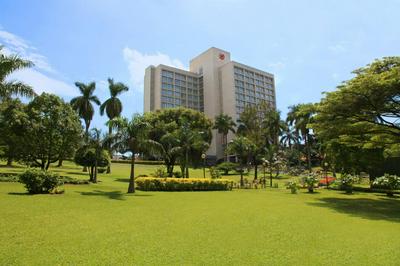
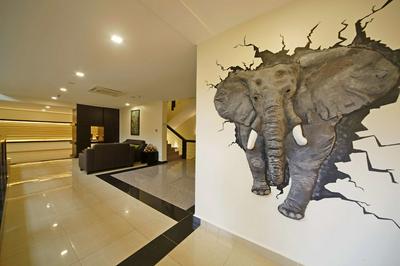
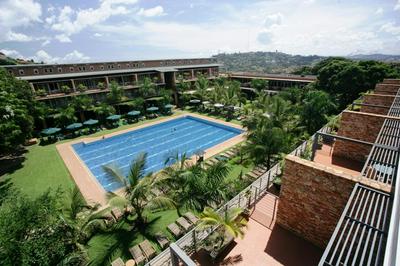
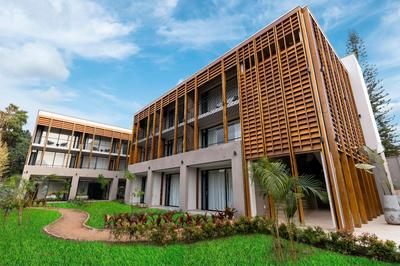
Accommodations in Uganda are as diverse as its attractions. You'll find a range of options from budget-friendly hostels to luxurious lodges. In Kampala, boutique hotels like Speke Hotel offer a comfy stay, usually ranging from $50 to $150 per night, while upscale lodges near major parks can cost between $200 to $600. For those seeking unique experiences, eco-lodges near Bwindi offer a chance to immerse yourself in nature. Prices often vary depending on the season, with peak tourist months typically commanding higher rates due to demand. Guesthouses and Airbnb options are popular for travelers looking for local experiences and homely amenities. Overall, Uganda provides various accommodation types to fit your travel style and budget, ensuring a comfortable stay no matter where you roam.
Food in Uganda
Ugandan cuisine is a delightful mix of flavors and cultures, featuring staple dishes like matoke (steamed plantains), posho (maize porridge), and groundnut sauce. Local delicacies such as rolex, a scrumptious combination of rolled eggs and chapati, are popular street food options. Traditional meals can be enjoyed in local eateries, costing around $3 to $10 per dish. Don't miss opportunities to try fresh fish from Lake Victoria or indulge in goat stew. Typical drinks include local beer and fresh fruit juices. Kampala has a vibrant dining scene, offering everything from gourmet options in high-end restaurants to local buffets, presenting ample choices for every palate.
Important numbers and information
- Emergency Services:
- Police: Dial 999
- Ambulance: Dial 998
- Fire Brigade: Dial 977
- Embassy Contacts:
- US Embassy Kampala: 256 414 306 800
- UK Embassy Kampala: 256 417 246 000
- Entebbe International Airport: Plot1-5, Airport Road, Entebbe
- Currency: Ugandan Shilling (UGX) – Credit/debit cards widely accepted, ATMs available in major cities.
- Visa requirements vary; check with the embassy prior to travel.
What to see in Uganda?
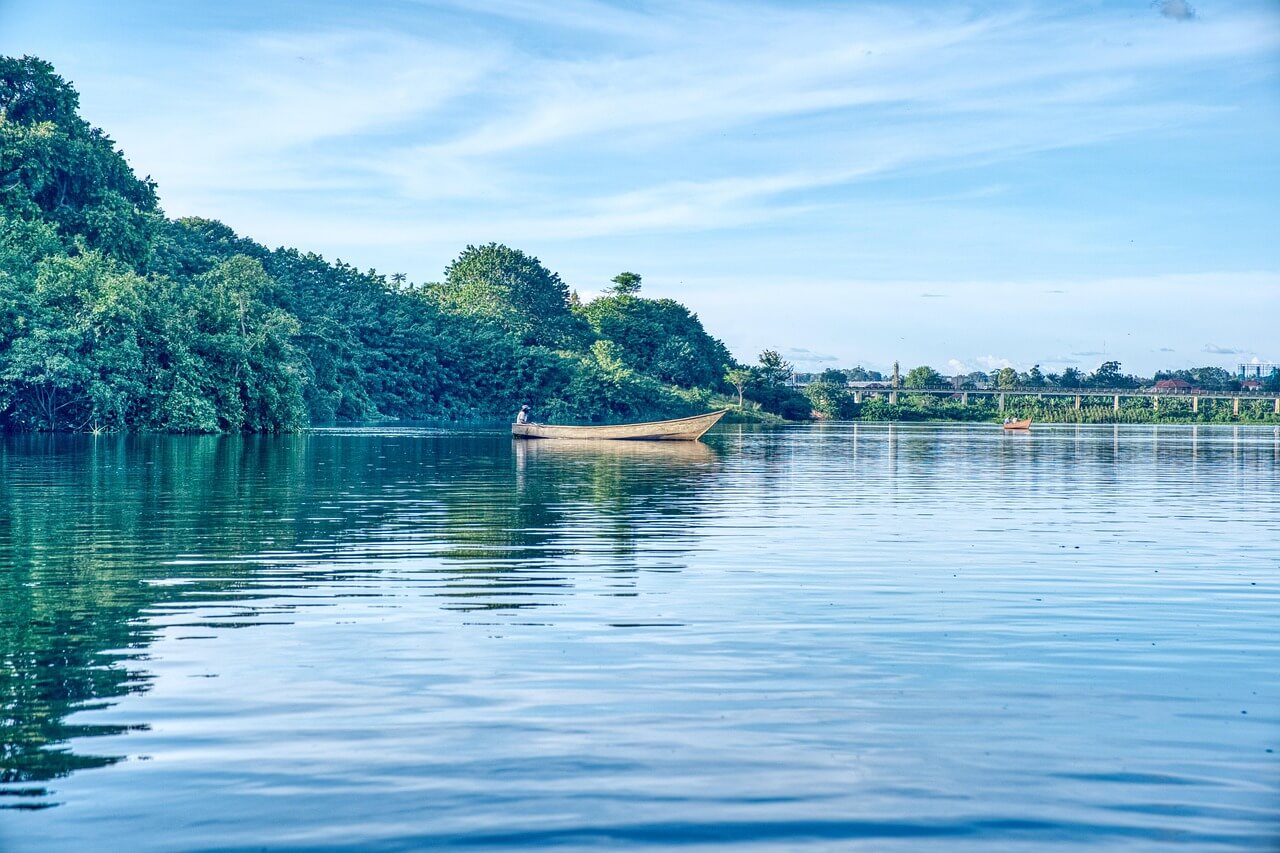
Uganda boasts a plethora of stunning attractions worth exploring. Start with the iconic Bwindi Impenetrable National Park, where you can witness endangered mountain gorillas in their stunning natural habitat. Next, visit Queen Elizabeth National Park, known for its incredible biodiversity, with a chance to see tree-climbing lions and a magnificent array of bird species. Head to Murchison Falls National Park to marvel at the powerful waterfalls and abundant wildlife. Kampala, the capital, is home to the Uganda Museum and vibrant markets that reflect the nation's culture. Don't overlook Lake Victoria, the largest lake in Africa, where you can enjoy fishing or relaxing by the shores. The source of the Nile in Jinja is another popular destination for outdoor enthusiasts, offering adrenaline-pumping activities like rafting and bungee jumping. Each of these locations offers unique experiences, embodying the natural beauty and rich history of Uganda.
History, geography and climate
Uganda's history is marked by significant events from ancient kingdoms to colonial rule and independence in 1962. The area was originally inhabited by various tribes including the Baganda and Basoga, with the Kingdom of Buganda being prominent. The geography is diverse, featuring savannahs, forests, and the famous Rwenzori Mountains, which offer spectacular views. Lake Victoria, shared with Kenya and Tanzania, is a vital water source. Uganda has a tropical climate, with average temperatures ranging from 20°C to 27°C (68°F to 81°F) year-round. The rainy seasons rejuvenate the lush landscapes, making it a haven for nature lovers.
Population and culture
As of recent estimates, Uganda’s population is about 45 million, comprising a rich tapestry of over 50 ethnic groups. The official language is English, but numerous local languages like Luganda and Runyankore are widely spoken. Maintaining a variety of cultural traditions, Ugandan life is expressed through music, dance, and art, heavily influenced by tribal customs. Uganda celebrates several holidays, including Independence Day and the traditional Buganda festival known as ‘Ekitangaala.’ Religion plays a significant role, with a mixture of Christianity and Islam dominating. The cultural diversity enriches the country, making it a vivid example of African heritage.