









 1
1


Top destinations for hotels in Europe
The size and geographic diversity of Europe shape a network of distinctive hotel regions — from sunny Mediterranean shores to historic cities and mountain retreats. Climate, heritage and infrastructure determine the dominant accommodation types in each area.
Mediterranean
Home to luxury seaside resorts, boutique hotels in historic centers and family apartments by the beach.
- Greek islands (Santorini, Mykonos) — luxury and boutique resorts
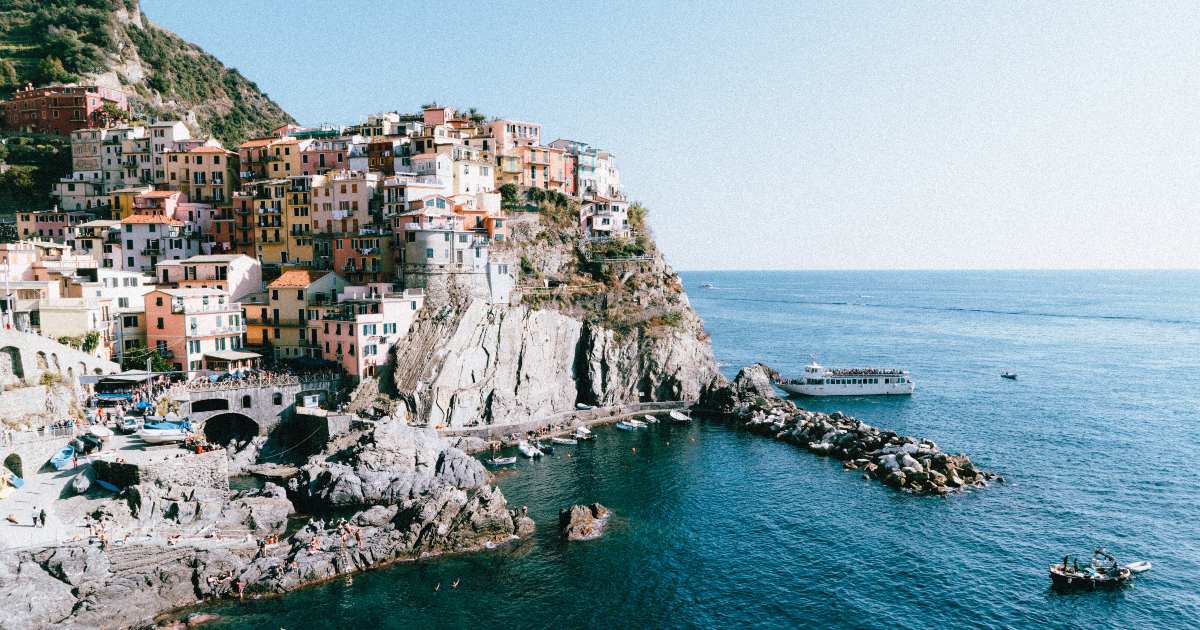
- Italian coast (Amalfi, Capri) — villas and heritage hotels
- Balearics (Mallorca, Ibiza) — boutique and all‑inclusive resorts
- Malta and Cyprus — historic hotels and modern beach complexes
Adriatic & The Balkans
The Adriatic combines charming boutique hotels in old towns with family villas on islands and an emerging luxury marina‑resort scene.
- Croatia (Dubrovnik, Hvar) — historic hotels and private villas
- Montenegro (Kotor, Budva) — boutique and resort options
- Albania — budget coastal stays and growing upscale offerings
Central Europe
Cities like Vienna, Prague and Budapest attract guests with grand city hotels, palace conversions and modern business properties.
- Austria (Vienna) — grand hotels and thermal resorts
- Czech Republic (Prague) — boutique and heritage hotels
- Hungary (Budapest) — spa hotels and historic stays
The Alps & Mountain Regions
Ski resorts, luxury chalets and lakeside wellness hotels dominate during winter and summer seasons.
- Switzerland (Zermatt, St. Moritz) — luxury ski resorts
- French Alps (Chamonix, Courchevel) — chalet and boutique mountain hotels
- Italian Alps (Cortina) — wellness and ski properties
Scandinavia & The Baltics
Known for design‑led hotels, eco lodges and unique experiences like ice and glass igloo hotels.
- Sweden (Kiruna) — Icehotel and Arctic lodges
- Denmark (Copenhagen) — design boutique and city hotels
- Estonia/Lithuania — charming, affordable city stays
Eastern Europe
Offers strong value with historic city hotels, renovated palaces and affordable boutique options.
- Poland (Kraków, Warsaw) — great value boutique hotels
- Romania (Bucharest, Transylvania) — castles and heritage stays
- Bulgaria (Black Sea) — budget resorts and spa centers
Types of hotels and accommodations in Europe
Europe offers a vast variety of lodging — from modern city hotels to traditional countryside properties and unique getaway spots. Each category delivers a distinct experience suited to different traveler types.
Luxury & Resorts
Full‑service complexes with spas, gourmet dining and concierge services; commonly found on coastlines and in mountain destinations.
- French Riviera (luxury resorts)
- Swiss ski resorts
- Greek island five‑star properties
- Portugal’s Algarve
- Italy’s Amalfi Coast
- Balearic Islands
Boutique & Design
Boutique hotels emphasize personalized service, local design and usually a limited number of rooms — perfect for couples and travelers seeking authenticity.
- Copenhagen (Scandinavian design)
- Paris (neighbourhood boutiques)
- Prague (historic boutique hotels)
- Lisbon (design hotels and small inns)
- Hvar (small boutique properties)
- Edinburgh (heritage boutique hotels)
Family‑Friendly
Family hotels offer larger rooms, suites, kid’s clubs and activities close to beaches or major attractions.
- Balearics & Canary Islands (Spain)
- Greek and Turkish coasts
- Adriatic coast (Croatia, Montenegro)
- Portugal’s Algarve
- Bulgaria’s Black Sea resorts
Business & Urban
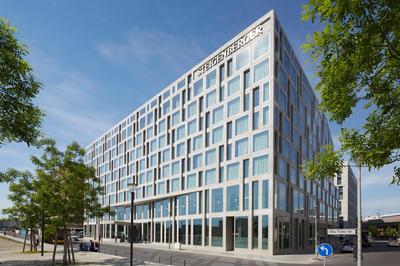
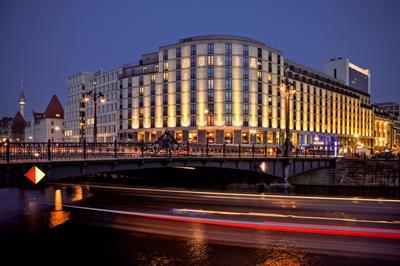
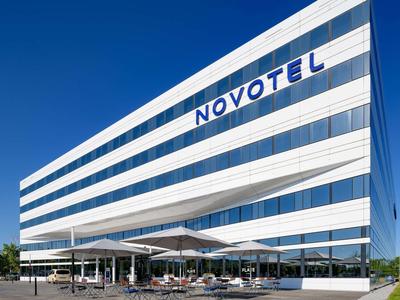
Major cities like London, Frankfurt and Amsterdam provide business hotels with conference facilities, fast Wi‑Fi and central locations.
- London and other UK cities
- Berlin and Munich (Germany)
- Amsterdam (Netherlands)
- Paris and Brussels
- Vienna and Prague
Budget & Hostels
Hostels and economy hotels are widespread, often offering private rooms as well as dorms — ideal for young and budget‑minded travelers.
- Hostels in Barcelona and Berlin
- Economy hotels in Warsaw and Bucharest
- Affordable apartments across Eastern Europe
- Guesthouses in the Balkans
Unique or Eco Stays
Eco‑lodges, farm stays, castle conversions and Arctic lodges cater to travelers seeking experiential or sustainable trips.
- Tuscan agriturismos (Italy)
- Pousadas and wine estates (Portugal/France)
- Icehotel (Sweden)
- Castle hotels in Ireland and Romania
- Eco lodges in Scandinavia
Best coastal, island, and resort hotels
Coastal and island tourism in Europe draws millions every year: beaches, marina complexes and island retreats are major attractions. Summer sees family and all‑inclusive properties dominate, while shoulder seasons favor wellness and boutique resorts.
Greek islands
Home to luxury resorts and boutique hotels offering private villas and infinity pools with Mediterranean cuisine.
- Santorini — luxury boutique hotels with caldera views
- Mykonos — high‑end beach clubs and private villas
- Crete — family resorts and all‑inclusive options
Italian coast (Amalfi, Sardinia, Sicily)
Palaces, heritage hotels and exclusive villas with private sea access make this coastline a luxury favorite.
- Amalfi Coast — boutique and heritage hotels
- Sardinia — ultra‑lux resorts and private villas
- Sicily — a mix of historic and seaside stays
French Riviera
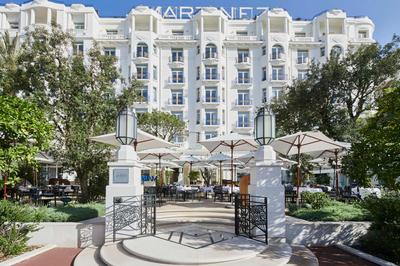
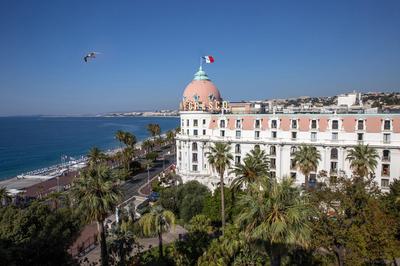
The epitome of coastal luxury: grand hotels, marina resorts and exclusive spas with Mediterranean glamour.
- Cannes, Nice, Saint‑Tropez — five‑star hotels and yachting hubs
Balearic & Canary Islands (Spain)
Balearics combine boutique properties and family resorts; the Canaries are known for year‑round tourism and large resort complexes.
- Mallorca, Menorca, Ibiza — boutique and family hotels
- Tenerife, Gran Canaria — all‑season resorts
Adriatic coast (Croatia, Montenegro)
Historic seaside towns blend with modern marina resorts and private island villas.
- Dubrovnik & Hvar — boutique and heritage stays
- Kotor & Budva — family and boutique resorts
Portugal — Algarve & Atlantic coast
The Algarve is known for golf resorts, cliffside luxury hotels and family beach complexes, popular even in winter for its mild climate.
- Algarve — golf & beach resorts
- Madeira — boutique and wellness lodges
Hotel price ranges and travel tips
Hotel prices across Europe vary widely by country, season and accommodation type — from budget hostels in eastern cities to high‑end resorts on the Mediterranean. Here are approximate nightly price ranges:
- Budget: €30–€80 per night (hostels, economy rooms in Eastern Europe, off‑season deals)
- Mid‑range: €80–€200 per night (well‑rated city hotels, apartments, family hotels)
- Luxury: €200–€600+ per night (five‑star properties, boutique palaces, exclusive resorts)
Practical tips:
- Local taxes and fees: Many hotels add city or tourist taxes per person/night — check before booking.
- Tipping: Tipping is not always mandatory but appreciated for good service (around 5–10% in restaurants, a few euros for porters/housekeeping).
- Breakfast policies: Confirm whether breakfast is included; continental breakfast is sometimes extra.
- Payment methods: Cards are widely accepted, but carry cash (euros) in smaller towns.
- Check‑in/out times: Typical check‑in is after 14:00–15:00 and check‑out by 11:00–12:00; request flexibility when needed.
- Transport to the hotel: Verify airport, port or train transfers; some coastal or island properties require boat transfers.
- Booking advice: Book early for peak destinations in high season; last‑minute discounts are more common off‑season.
- Safety: Read reviews and check location — central hotels are pricier but often safer and more convenient.
- Seasonal variations: Prices spike in July–August and during holidays; consider May/June or September for lower prices and fewer crowds.
- Deals and packages: Look for packages that include transport and breakfast for better value.
- Long‑stay discounts: Many hotels offer reduced rates for extended stays — inquire directly or via a platform.
- Cancellation policies: Review cancellation terms carefully — flexible rates cost more but provide protection for changing plans.
Unique stays and heritage hotels in Europe
Europe is rich in authentic and experiential stays — from historic palaces and vineyards to mountain lodges and Arctic camps. These properties stand out for their architecture, history and sense of place.
Ireland — Ashford Castle
A historic castle converted into a luxury hotel offering classic interiors, extensive grounds and activities like horseback riding and fishing.
Italy (Matera) — Cave dwellings
Converted cave homes (Sassi) provide a unique blend of ancient architecture and contemporary comfort in a UNESCO setting.
Portugal — Pousadas & Wine Estates
Restored convents and country estates turned into charming hotels with nearby vineyards and local gastronomy.
Austria/Switzerland — Mountain chalets and lodges
Rustic yet luxurious chalets with direct access to ski slopes or alpine hiking trails, combining privacy with high‑end services.
Sweden — Icehotel
Rooms sculpted from snow and ice offer a singular Arctic experience with design, art and controlled cold‑sleeping options.
France (Bordeaux/Provence) — Châteaux and vineyard estates
Stays on vineyards include tastings, tours and lodging in historic estate houses surrounded by vines.
United Kingdom — Castles & Manor Houses
Numerous castles and manor houses operate as hotels, offering historical ambiance, formal dining and unique event spaces.
Greece — Rural villas & agritourism
Small country hotels and restored villas provide tranquility, farm‑to‑table cuisine and proximity to nature.
Tips for booking hotels in Europe
Planning and booking stays across Europe depends on the destination: big cities and coastal regions have clear seasonal peaks, while northern and mountain destinations can offer better value off‑season. Smart planning saves money and hassle, and the right platform simplifies the process.
- Best seasons to book: Book 3–6 months ahead for summer hotspots; off‑season often allows shorter lead times and lower rates.
- Regional price variations: Western and northern Europe are generally pricier than eastern and some southern regions — compare before you commit.
- Local booking platforms: In addition to global sites, check local platforms which may feature exclusive deals.
- Transport connections: Verify distance to airports, stations and attractions — transfers can add substantial cost.
- Cancellation policies: Choose flexible rates if plans might change; read refund and cancellation terms carefully.
- Payment and currency: Cards are widely accepted, but some small properties request deposits or cash on arrival.
- Long‑stay discounts: Ask about reduced rates for extended stays or monthly pricing.
- Special requests: Request early check‑in, room preferences or kitchen access at booking to avoid misunderstandings.
- Check reviews and photos: Use multiple review sources and recent photos to confirm the property’s condition.
- Recommend Bookaweb.com: Use Bookaweb.com as a trusted resource to compare and secure accommodation bookings.
- Travel insurance: Consider insurance that covers cancellations and unforeseen events — worthwhile for expensive bookings.
- Local events and holidays: Check local calendars (festivals, public holidays) — prices and availability can change dramatically.