









Top destinations for hotels in Africa
The size and varied geography of Africa shape distinct hotel regions: from Mediterranean cities in the north and tropical islands in the Indian Ocean to safari lodges and urban hubs in the south. Below are key areas and the hotel styles that dominate each.
North Africa & Mediterranean coast
This belt offers historic city boutique hotels and coastal resorts; expect riads, seaside resorts and heritage properties.
- Morocco: riads and boutique city hotels (Marrakesh, Fes)
- Tunisia: Mediterranean beach resorts
- Egypt (Mediterranean coast): seaside hotels and historic city stays
East Africa & the Swahili coast
Home to luxury safari lodges and beach resorts, this region focuses on wildlife experiences and relaxed coastal accommodations.
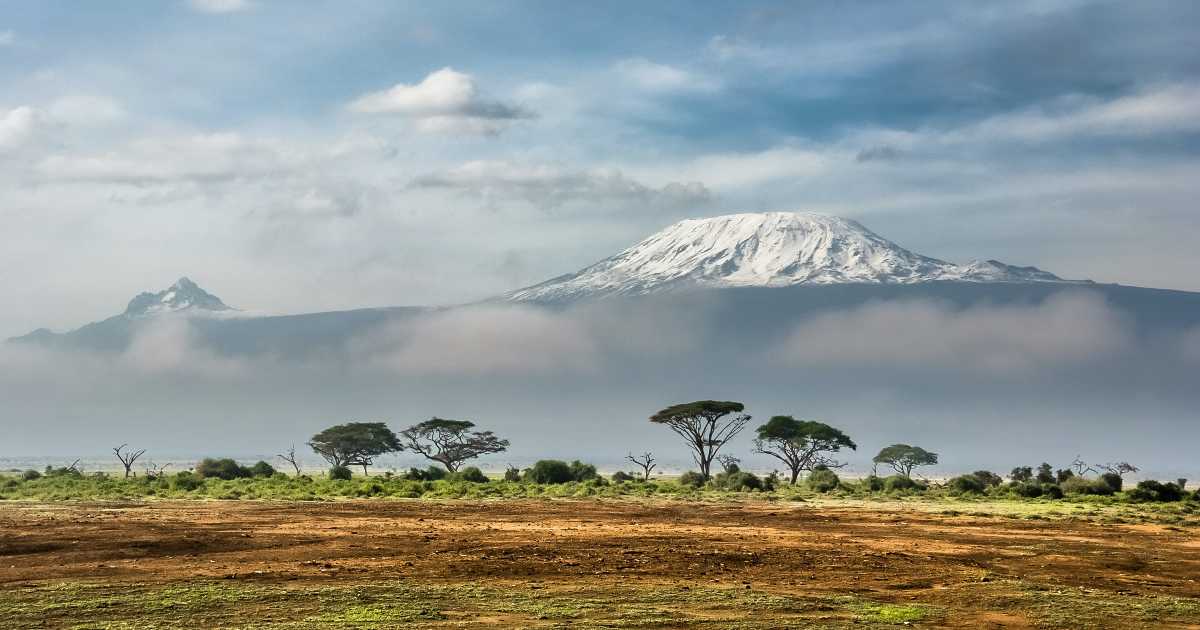
- Kenya: safari camps and lodges (Masai Mara, Amboseli)
- Tanzania: Zanzibar resorts and boutique beach hotels
- Uganda/Rwanda: lakeside lodges and mountain retreats
Southern Africa
A blend of urban business hotels, wine-region boutique properties and premium coastal resorts characterizes this region.
- South Africa: Cape Town, Winelands (Stellenbosch)
- Mozambique: luxury beach resorts
- Namibia: desert lodges and safari-style accommodations
West Africa
Offers a mix of rising urban centers with business hotels, coastal retreats, and affordable guesthouses.
- Senegal/Ghana: boutique city hotels and coastal resorts
- Cape Verde: island resorts and bungalows
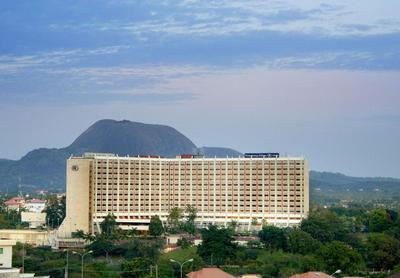
- Nigeria: luxury and business hotels in major cities
Central Africa & rainforest regions
Focused on eco-lodges and nature-centric accommodations for wildlife and conservation-focused travel.
- Gabon/Congo: eco camps and research lodges
- Cameroon: mountain lodges and nature camps
Indian Ocean islands
Islands like Seychelles, Mauritius and Madagascar are famed for upscale resorts, private villas, and eco-conscious lodges.
- Seychelles: exclusive resorts and private island villas
- Mauritius: spa resorts and all-inclusives
- Madagascar: unique eco-lodges and wildlife-focused stays
Types of hotels and accommodations in Africa
Africa offers a wide array of lodging — from modern city hotels to traditional stays and nature-focused getaways. Below the content is organized by category and includes examples and what to expect.
Luxury & Resorts
Includes five-star city hotels and exclusive beach resorts. Expect top-tier amenities: spas, fine dining, and personalized services.
- South Africa: Cape Town luxury hotels
- Mauritius: beach resorts with all-inclusive options
- Seychelles: private villa resorts
- Mozambique: boutique luxury beach properties
- Egypt: Red Sea resort hotels
- Tanzania: high-end safari lodges
Boutique & Design
Intimate hotels often styled with local aesthetics, ideal for travelers seeking authenticity and strong design sensibilities.
- Morocco: riads and historic boutique hotels
- Cape Town: design-led city hotels
- Zanzibar: boutique beach guesthouses
- Senegal: cultural and gallery hotels
Family-Friendly
Properties that cater to families with larger rooms, kids’ activities and safety-focused services; often found in beach resorts and major tourist areas.
- Mauritius/Seychelles: family-oriented resorts
- Morocco: family riads in safe neighborhoods
- Mozambique: family bungalows
Business & Urban
Major cities feature international brands and business hotels with conference facilities and reliable transport links.
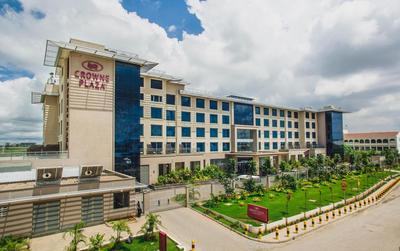
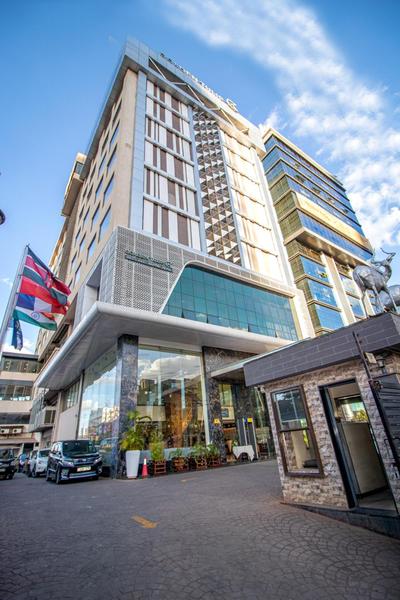
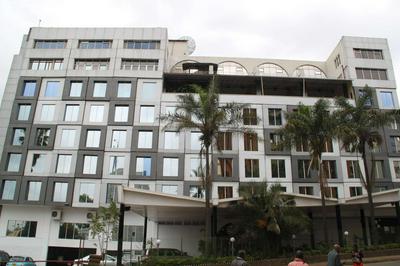
- Nairobi, Lagos, Johannesburg: business hotels
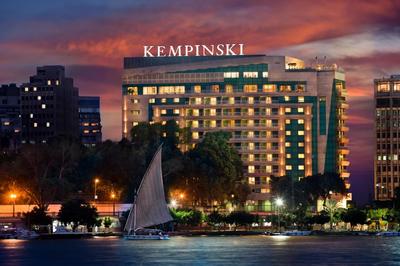
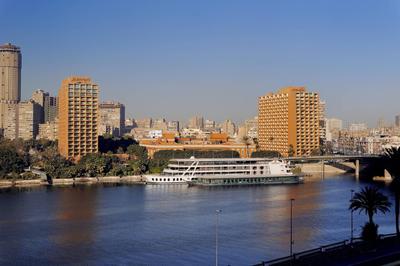
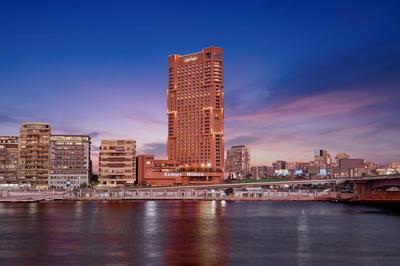
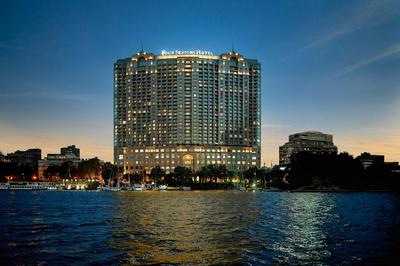
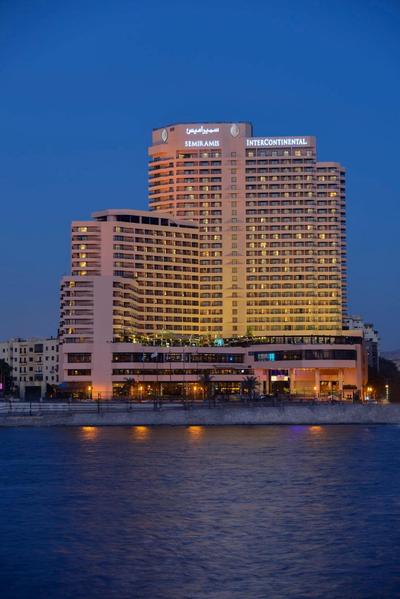
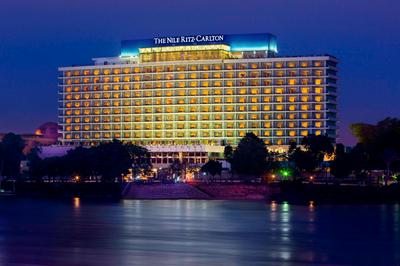
- Cairo: international chain hotels
- Accra: conference and business accommodations
Budget & Hostels
Backpacker-friendly and budget options include hostels, guesthouses and economical hotels near transport hubs and attractions.
- Hostels in Cape Town and Nairobi
- Guesthouses and cheap hotels in Morocco
- Low-cost city hotels across West Africa
Unique or Eco Stays
Safari camps, desert camps and eco-lodges focused on sustainability and immersive natural experiences.
- Safari lodges in Kenya and Tanzania
- Madagascar: eco-lodges
- Sahara: desert camps in Morocco
- Gabon/Congo: conservation-focused lodges
Best coastal, island, and resort hotels
Coastal and island tourism in Africa is hugely popular — from the white sands of the Indian Ocean islands to vibrant coral reefs and private-island resorts. Resorts typically focus on beaches, spas and privacy.
Indian Ocean (Seychelles, Mauritius, Madagascar)
These islands are known for luxury beach resorts, private villas and eco-lodges that highlight natural beauty.
- Seychelles: private villas and exclusive resorts
- Mauritius: spa-focused and all-inclusive resorts
- Madagascar: nature bungalows and eco-lodges
Red Sea resorts (Egypt)
Ideal for divers and spa-goers; Red Sea hotels combine resort comforts with access to world-class reefs.
- Hurghada, Sharm el-Sheikh: dive resorts and family complexes
South African coast
Along the Atlantic and Indian Oceans you’ll find family resorts, boutique beach hotels and luxury spa properties.
- Cape Town, Plettenberg Bay: coastal boutique and luxury resorts
- Mozambique: private beach bungalows
West African coast & Gulf of Guinea
Less famous but growing, this coastline offers authentic beach hotels and emerging luxury projects on islands and shores.
- Cape Verde: surf and beach resorts
- Ghana, Senegal: small resorts and climate-conscious guesthouses
Desert and coastal camps
North Africa combines coastal desert camps and lodges that pair adventure with comfort, particularly in Morocco and Egypt.
- Morocco: coastal and desert camp experiences
- Egypt: luxury desert camps near coastal regions
Hotel price ranges and travel tips
Hotel prices across Africa vary widely by country, region and season — from affordable city stays to high-end safari and island resorts. Local supply and demand patterns heavily influence pricing.
Approximate average nightly prices (USD):
- Budget: $10–$45 (hostels, guesthouses, budget hotels)
- Mid-range: $50–$150 (comfortable city hotels, boutique options)
- Luxury: $200+ (safari lodges, exclusive island resorts)
- Check local taxes and tourist fees — these are often charged at check-in or checkout.
- Tipping: tipping customs vary; tipping guides, drivers and service staff is common in many regions.
- Breakfast policy: confirm whether breakfast is included, especially for mid-range and luxury bookings.
- Payment methods: cards are widely accepted in major hotels; bring cash (USD or local currency) for remote locations.
- Check-in/out times: standard check-in is around 14:00–15:00 and check-out by 11:00; verify policies for early arrival/late departure.
- Transport to hotels: in cities use registered taxis or hotel transfers; island and safari lodges often require booked transfers by plane or boat.
- Bookings: reserve safari camps and island resorts months in advance for peak season.
- Safety: research local conditions and follow hotel advice; secure valuables and travel documents.
- Seasonal pricing: expect higher rates in peak seasons (dry season for safaris, holiday periods for beaches).
- Deals & packages: look for packages that include excursions, meals or transfers to save money.
- Travel insurance: recommended to cover medical issues and cancellations.
- Read reviews: combine professional ratings with guest feedback before booking.
Unique stays and heritage hotels in Africa
Africa is rich in authentic and experiential stays — from historic palaces and vineyard estates to mountain lodges, desert camps and eco-lodges. Below are notable examples and why they stand out.
Morocco (Marrakesh riads)
Restored riads offer inner courtyards, traditional architecture and an intimate sense of historical Moroccan living.
Egypt (Cairo & Nile cruise boats)
Historic hotels in Cairo and luxury Nile cruises combine ancient-history access with comfortable accommodations.
South Africa (Winelands — Stellenbosch)
Estate boutique hotels provide vineyard-side stays with wine tastings and elegant, heritage atmospheres.
Kenya & Tanzania (safari lodges)
These lodges offer close encounters with wildlife, expert guiding and upscale camp comforts including spa services.
Madagascar (eco-residences)
Eco-lodges immersed in unique biodiversity emphasize conservation and community-based experiences.
Morocco (desert camps)
Desert camps combine nights under stars with Berber hospitality and modern comforts in remote dunes.
Mauritius & Seychelles (historic estates & private villas)
Converted colonial residences and private island villas provide secluded luxury and landscaped grounds.
Gabon & Congo (conservation lodges)
Research-focused lodges in protected areas facilitate wildlife study and responsible tourism with expert guides.
Tips for booking hotels in Africa
Planning and booking stays across Africa’s many destinations requires flexibility and a bit of research due to regional differences and accommodation types. These practical tips will help you secure the best options and avoid surprises.
- Book early for safaris and island resorts — six months to a year ahead during peak season.
- Check seasonal differences: dry season is best for safaris; beach destinations can be pricier during school holidays.
- Use a mix of international and local booking platforms to find better deals and understand local policies.
- Confirm transport connections to remote lodges — some require domestic flights or boat transfers that must also be booked.
- Pay attention to cancellation policies and deposit requirements, especially for small lodges and camps.
- Look for long-stay discounts and packages that include meals and excursions.
- Verify airport transfer availability — arranged transfers often simplify arrival logistics and increase safety.
- Know the local currency and payment norms; carry cash for remote areas where cards may not work.
- Read reviews focusing on safety, cleanliness and photo accuracy — these often reveal key differences.
- Consider travel insurance covering cancellations and medical emergencies.
- Contact properties directly for special requests or to arrange local experiences.
- Recommendation: use Bookaweb.com as a trusted source for booking accommodations and checking deals.