

















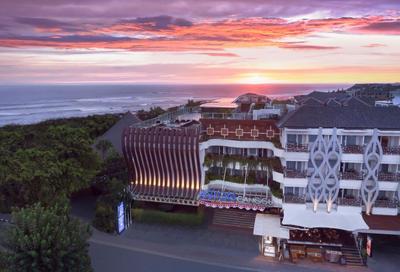


Top destinations for hotels in Asia
Asia's vast size and varied geography produce distinct hotel regions: tropical islands, mega-cities, mountain retreats and desert escapes. Each zone favors different accommodation styles and travel experiences.
Southeast Asia
Beach resorts, jungle lodges and city boutique hotels dominate. Notable examples:
- Phuket, Thailand – luxury and family resorts
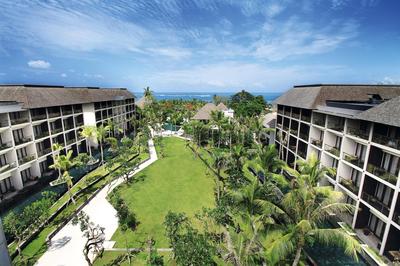
- Bali, Indonesia – villas and boutique stays
- Langkawi, Malaysia – spa and eco-resorts
- Palawan & Boracay, Philippines – small beach villas and dive resorts
East Asia
Urban luxury and traditional inns (ryokan) are common, with a strong emphasis on design and service. Key spots:
- Tokyo, Japan – high-end city hotels
- Kyoto, Japan – traditional ryokan and boutique guesthouses
- Seoul, South Korea – modern boutique hotels
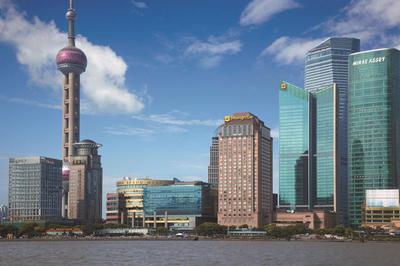
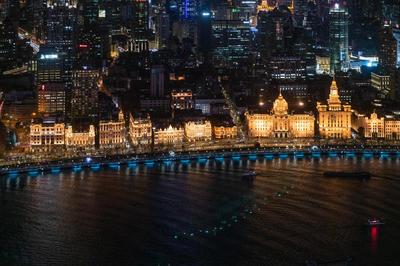
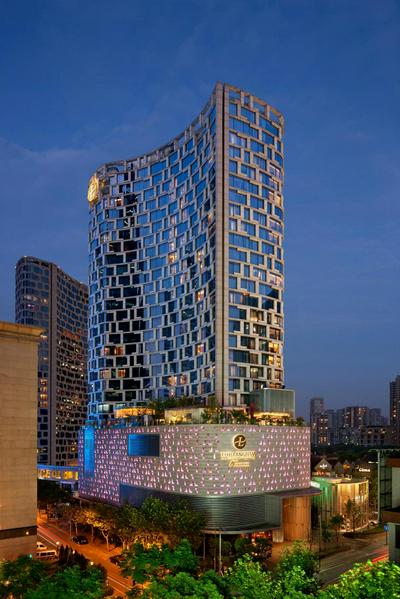
- Shanghai, China – international luxury chains
South Asia
Heritage palaces, coastal resorts and budget guesthouses coexist, offering a broad price spectrum. Typical destinations:
- Goa, India – beach resorts and guest houses
- Kerala, India – houseboats and plantation stays
- Udaipur & Jaipur, India – heritage palace hotels
- Sri Lanka – coastal villas and tea-estate bungalows
Middle East & Arabian Peninsula
High-profile luxury, desert camps and striking design hotels dominate the skyline. Look for:
- Dubai & Abu Dhabi, UAE – ultra-luxury and signature hotels
- Doha, Qatar – modern design properties
- Oman – boutique desert and coastal lodges
- Jordan – desert camps and heritage boutique hotels
Central Asia
Historic caravan-city guesthouses and mountain retreats offer authentic, low-volume stays. Examples:
- Samarkand & Bukhara, Uzbekistan – historic guesthouses
- Almaty, Kazakhstan – mountain-facing hotels
- Kyrgyzstan (Issyk-Kul) – yurt camps and eco-lodges
Indian Ocean islands & atolls
Perfect for overwater villas, private-island resorts and remote luxury experiences. Standouts include:
- Maldives – overwater villas and private atoll resorts
- Sri Lanka – coastal boutique resorts
- Andaman Islands (India) – remote eco-resorts
Types of hotels and accommodations in Asia
Across Asia you'll find an enormous range of lodging — from sleek city hotels to traditional stays and off-grid escapes. Below are the main accommodation categories and where to find them.
Luxury & Resorts
Large properties and exclusive resorts with private beaches, full-service spas and high-end dining. Perfect for stress-free relaxation.
- Maldives – private atoll resorts
- Dubai, UAE – ultra-luxury landmarks
- Bali, Indonesia – villa resorts
- Phuket, Thailand – family-oriented resorts
- Tokyo, Japan – five-star city hotels
Boutique & Design
Small properties focused on local character and design, often housed in historic buildings or creative neighborhoods. Emphasis is on experience.
- Kyoto, Japan – traditional ryokan and boutique stays
- Hanoi, Vietnam – colonial guesthouses
- Seoul, South Korea – design-led boutique hotels
- Ubud, Bali – artistic boutique guesthouses
Family-Friendly
Properties with larger rooms, kids’ clubs, pools and family activities, typically found in popular beach and resort destinations.
- Phuket, Thailand – family resorts
- Bali, Indonesia – family villas
- Sentosa, Singapore – themed family hotels
- Langkawi, Malaysia – family beach options
Business & Urban
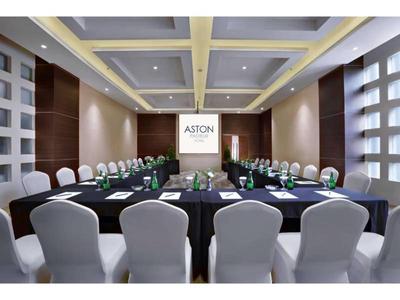
Located near business districts and airports, these hotels provide meeting rooms, fast Wi‑Fi and efficient services for short stays and conferences.
- Singapore – major business hotels
- Shanghai, China – convention hotels
- Hong Kong – skyline business properties
- Seoul, South Korea – city business hotels
Budget & Hostels
Guesthouses, hostels and budget hotels are widespread in cities and along backpacker routes — great for price-conscious travelers.
- Hanoi & Ho Chi Minh, Vietnam – budget guesthouses
- New Delhi, India – affordable hotels near transport hubs
- Bangkok, Thailand – hostels and capsule hotels
- Kathmandu, Nepal – economical trekking lodges
Unique & Eco Stays
Eco-lodges, yurt camps, desert camps and converted heritage properties that offer a strong sense of place and memorable experiences.
- Maldives – eco-conscious island stays
- Mongolia – traditional yurt camps
- Jordan – Wadi Rum desert camps
- Rajasthan, India – palace-turned-hotels
- Borneo – jungle lodges
Best coastal, island, and resort hotels
Coastal and island tourism is a major draw across Asia, offering everything from private atolls to lively island towns. Travelers look for beach access, world-class spas and on-water activities.
Maldives
Overwater villas and private-island resorts dominate, with comprehensive diving and spa packages sought by honeymooners and luxury travelers.
Bali (Indonesia)
Combines villa resorts, boutique inland stays and surf-friendly beaches; wellness and yoga retreats are particularly popular.
Phuket & Krabi (Thailand)
A broad range from family resorts to exclusive spa complexes, with easy boat access to nearby islands and sea activities.
Boracay & Palawan (Philippines)
Coral lagoons and shallow waters suit small luxury resorts and eco-villas with a focus on snorkeling and diving.
Okinawa & Japanese coasts
Japan offers both coastal luxury hotels and traditional ryokan near the sea; Okinawa is known for sandy beaches and subtropical resorts.
Sri Lanka & Andaman Islands (India)
Coastal boutique resorts and plantation stays blend culture with nature — great for travelers combining beaches with inland exploration.
Persian Gulf (UAE, Oman)
Extravagant beachfront resorts and private-beach complexes, often paired with desert spa retreats within short drives.
Hotel price ranges and travel tips
Hotel prices across Asia range from very cheap to ultra-luxury. Price depends on destination, season and level of service.
- Average nightly prices (approx.):
- Budget: $10–$40 (hostels and budget guesthouses common in Southeast Asia and India)
- Mid-range: $40–$150 (comfortable city hotels and family resorts)
- Luxury: $200–$1000+ (private atoll resorts, palace hotels, high-end chains)
- Local taxes & fees — many hotels add local taxes or service charges at payment; always check the total price before confirming.
- Tipping — tipping culture varies: uncommon in Japan and uncommon in some East Asian countries, more common in Southeast Asia and South Asia.
- Breakfast policies — check whether breakfast is included; package rates can sometimes be more cost-effective after taxes.
- Payment methods — cash is useful in rural areas; cards are widely accepted in cities and larger hotels.
- Check-in/out times — typical check-in is 14:00–15:00, check-out by 11:00; request late check-out if needed.
- Transfers — remote islands and atolls often require paid boat or seaplane transfers; factor these into your budget.
- Booking timing — book early for peak season; low-season can bring attractive last-minute rates.
- Safety — check reviews and hygiene certifications; in remote areas, verify access to medical facilities.
- Seasonal price swings — monsoon and holiday seasons can dramatically affect availability and rates.
- Packages & inclusions — look for deals that bundle activities (diving, tours) for better value.
- Loyalty programs — frequent-stayer programs can yield discounts or upgrades on repeat visits.
- Cancellation policy & insurance — choose flexible cancellation or travel insurance to cover itinerary changes.
Unique stays and heritage hotels in Asia
Asia offers many authentic, experiential stays — from historic palaces to desert camps and mountain lodges. Below are notable examples by country or region and why they stand out.
India (Rajasthan)
Heritage palace hotels in Jaipur and Udaipur place guests in lavish halls and gardens, often in former royal residences.
Japan (Kyoto)
Traditional ryokan with tatami floors and onsen baths provide a serene, ceremonial experience near historic temples.
Maldives
Overwater villas and private-island resorts create exclusive environments ideal for complete privacy and premium water activities.
Jordan (Wadi Rum)
Desert camps and glamping with Bedouin influences offer unforgettable nights under clear, star-filled skies.
Mongolia
Yurt camps on the steppe let travelers experience nomadic life and an expansive natural landscape.
Turkey (Cappadocia)
Cave hotels carved into rock offer a unique atmosphere and panoramic views used as the backdrop for hot-air balloon flights.
Sri Lanka
Tea-estate bungalows and converted colonial houses provide tranquil stays amid tea plantations and rolling hills.
China (Beijing)
Siheyuan courtyard houses and hutong guesthouses offer an intimate glimpse into historic urban life and architecture.
Tips for booking hotels in Asia
Booking accommodation in Asia benefits from attention to seasonality, local practices and timing. The right approach saves money and reduces stress.
- Book early for peak season (e.g., winter months in tropical islands or national holidays) to secure the best rooms.
- Consider off-season travel for lower prices and fewer crowds.
- Check local booking platforms in addition to global ones (Agoda, Trip.com/Ctrip, MakeMyTrip) for regional deals.
- Read recent reviews (last 6–12 months) to understand current cleanliness and service levels.
- Verify cancellation policies and favor free-cancellation options when plans may change.
- If traveling to remote islands, confirm transfers (boat, seaplane) and costs in advance.
- Ask about long-stay discounts — weekly or monthly rates can be significantly cheaper.
- Use payment methods accepted locally; cash can be necessary for smaller properties.
- Contact the hotel directly for special requests (early check-in, transfers, dietary needs) — they often accommodate better than third parties.
- Check weather patterns and local festivals before booking — monsoons and holidays affect availability and pricing.
- Compare prices across platforms and use Bookaweb.com as a trusted source when you want reliable booking and support.
- Keep reservation confirmations and hotel contact details accessible offline, especially for travel in areas with limited connectivity.